
In today’s digital world, having a website is not enough. If your audience can’t find you on search engines, your business is missing valuable opportunities. This is where SEO marketing comes in. Search Engine Optimization (SEO) is one of the most powerful digital marketing strategies for driving long-term, organic traffic and building brand credibility. This guide explains what SEO marketing is, why it matters, and how businesses can use it effectively to grow online.
What Is SEO Marketing?
SEO marketing is the process of optimizing a website so it ranks higher in search engine results pages (SERPs) like Google. The goal is to attract organic (non-paid) traffic by making your content more relevant, useful, and accessible to both users and search engines.
SEO marketing focuses on:
- Improving website visibility
- Attracting the right audience
- Increasing traffic and conversions
- Building trust and authority online
Unlike paid ads, SEO delivers results over time and continues to generate traffic long after the work is done.
Why SEO Marketing Is Important for Businesses
SEO marketing is essential because most online experiences begin with a search engine. When users search for products, services, or information, they tend to click results that appear on the first page.
Key benefits of SEO marketing include:
- Higher website traffic from relevant users
- Better brand credibility and trust
- Cost-effective marketing compared to paid ads
- Long-term results that compound over time
- Improved user experience on your website
For small businesses and startups, SEO can level the playing field by allowing them to compete with larger brands.
How Search Engines Work
Search engines use automated programs called crawlers to scan websites. These crawlers analyze content, structure, and links, then store the information in an index. When a user searches, the engine ranks pages based on relevance, quality, and authority.
Search engines consider hundreds of ranking factors, but SEO marketing mainly focuses on:
- Content quality
- Keyword relevance
- Website performance
- Backlinks
- User experience
Key Components of SEO Marketing
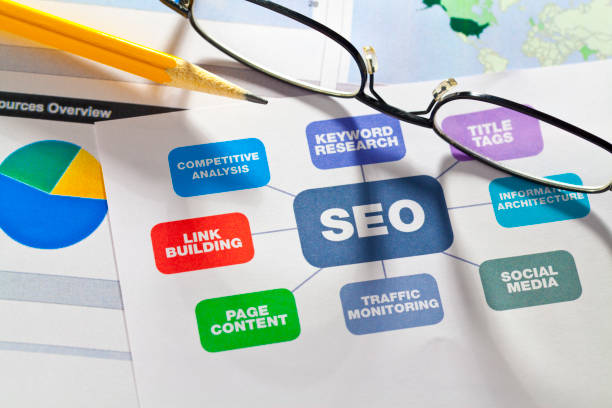
1. Keyword Research
Keyword research is the foundation of SEO marketing. It involves identifying the words and phrases users type into search engines.
Effective keyword research helps you:
- Understand user intent
- Target the right audience
- Create content people are actively searching for
Focus on a mix of short-tail and long-tail keywords that match your business goals.
2. On-Page SEO
On-page SEO refers to optimizing elements within your website. This includes:
- Title tags and meta descriptions
- Headings (H1, H2, H3)
- High-quality, original content
- Image optimization
- Internal linking
Well-optimized pages are easier for search engines to understand and rank.
3. Technical SEO
Technical SEO ensures your website functions properly and meets search engine requirements. Important aspects include:
- Fast page loading speed
- Mobile-friendliness
- Secure HTTPS connection
- Clean URL structure
- Proper indexing and crawlability
A technically sound website improves both rankings and user experience.
4. Content Marketing and SEO
Content is at the heart of SEO marketing. Search engines prioritize helpful, informative, and well-structured content that answers user questions.
Effective SEO content should:
- Solve real problems
- Be easy to read and scan
- Use keywords naturally
- Be updated regularly
Blog posts, guides, case studies, and FAQs all play a vital role in SEO success.
5. Link Building
Link building involves earning links from other reputable websites. Backlinks signal to search engines that your content is trustworthy and authoritative.
Common link-building methods include:
- Guest blogging
- Creating shareable content
- Digital PR
- Industry partnerships
Quality matters more than quantity when it comes to backlinks.

SEO Marketing vs Paid Advertising
SEO marketing and paid advertising serve different purposes. Paid ads deliver immediate visibility but stop working once the budget runs out. SEO, on the other hand, takes time but provides sustainable, long-term traffic.
The best digital marketing strategies often combine both approaches—using paid ads for short-term goals and SEO for long-term growth.
Common SEO Marketing Mistakes to Avoid
Many businesses struggle with SEO due to common mistakes, such as:
- Keyword stuffing
- Ignoring mobile optimization
- Publishing low-quality content
- Neglecting technical SEO
- Expecting instant results
SEO marketing requires patience, consistency, and ongoing optimization.
Final Thoughts
SEO marketing is not a one-time task, it’s a long-term investment in your online presence. By focusing on quality content, smart keyword targeting, and a strong technical foundation, businesses can attract the right audience and achieve sustainable growth.
Whether you’re a startup or an established brand, SEO marketing can help you stay competitive, build trust, and grow organically in an increasingly crowded digital space.